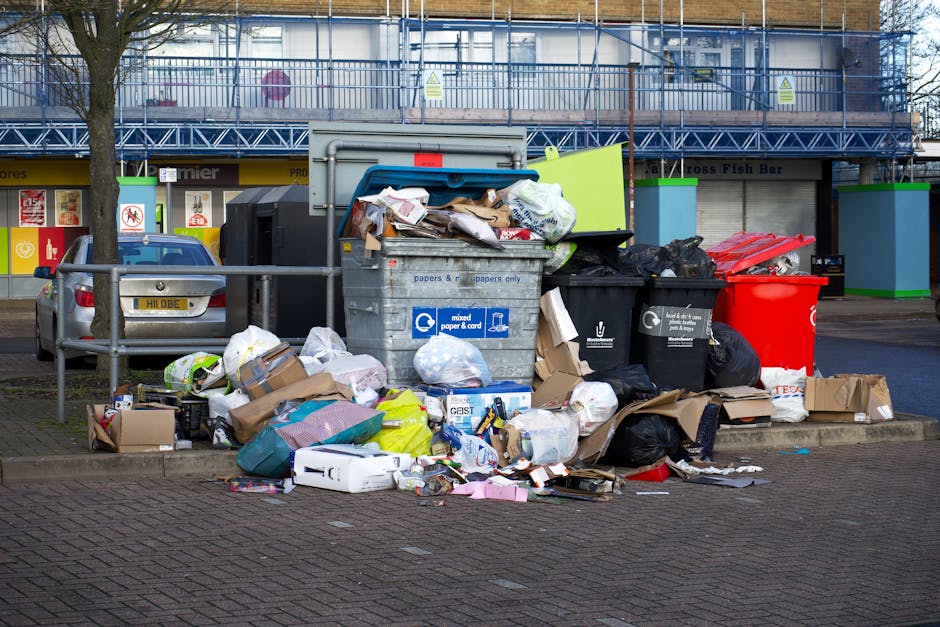
Avoid fines: council bulky waste disposal rules in W11
If you live or work in W11, bulky waste can become a problem very quickly. A worn-out wardrobe leaning in the hallway, a broken sofa in the front room, or a stack of flat-pack packaging after a move can all turn into a council issue if they are left out the wrong way. The rules are there for a reason, but let's be honest: they are not always obvious at first glance. This guide explains how to avoid fines: council bulky waste disposal rules in W11 work in practice, what usually goes wrong, and how to deal with large items without causing hassle for yourself or the neighbours.
You will find a clear walkthrough, practical examples, a comparison of disposal options, and a checklist you can actually use. If you are planning a move, clearing a rental, or just finally getting rid of that bulky item that has been irritating you for months, this is for you.
Why Avoid fines: council bulky waste disposal rules in W11 Matters
Bulky waste is one of those things that seems simple until you are standing in a narrow London street at 7:30 in the morning, wondering where a mattress or sofa should actually go. In W11, where streets can be busy, parking is tight, and shared entrances are common, putting large items out incorrectly can lead to complaints, delays, or enforcement action. The practical risk is not just a tidy street issue. It can affect landlords, tenants, homeowners, and business operators alike.
Fines are usually the part people notice first, but they are not the only concern. Incorrect disposal can also create a mess outside your property, attract extra attention from neighbours, and make a simple clear-out turn into a stressful job. In a shared building, one person's "I'll leave it by the bin for a bit" can become everyone's problem. You will notice that councils take bulky waste seriously because abandoned items can block access, cause safety issues, and look frankly awful.
There is also a timing issue. If you are moving house, clearing a rented flat at the end of a tenancy, or emptying an office, bulky waste tends to arrive all at once. The pressure can lead to rushed decisions. That is usually when mistakes happen. A little planning here goes a long way.
Expert summary: The safest approach is to treat bulky waste as a planned disposal task, not a last-minute left-on-the-pavement job. Check what the council allows, separate reusable items from true waste, and make sure every item is handled in a way that keeps the pavement clear and your conscience clear.
How Avoid fines: council bulky waste disposal rules in W11 Works
At a high level, bulky waste disposal is about getting large household or commercial items removed in a way that matches local rules. In W11, the exact process can vary depending on the type of waste, the property setup, and whether the items are from a home or business. What matters most is understanding the difference between a legitimate collection arrangement and simply leaving things outside.
Generally, bulky items include furniture, mattresses, white goods, cupboards, table tops, office chairs, shelving, and similar objects that do not fit in ordinary bins. These items often need pre-booking, proper presentation, and correct handling. In some cases, councils provide a bulky waste collection service. In others, residents and landlords choose private removal support when the volume, timing, or access makes council collection less convenient.
There are a few core rules that matter in practice:
- Do not place bulky items on the pavement unless the approved collection method specifically allows it.
- Keep shared pathways, front gardens, and communal entrances clear.
- Make sure the waste is separated from items that could be reused, donated, or repaired.
- Check whether the item contains electrical components, gas elements, or hazardous materials, because those usually need special handling.
- Be careful with mixed waste. A sofa stuffed with general rubbish, for example, is not the same as a clean sofa awaiting collection.
There is also a practical side to this. For example, if you are leaving a property after a home move, you may find that one old wardrobe is easy enough, but six items, plus broken shelves, plus box waste, is no longer a simple council job. At that point, a broader removal plan often saves time and, weirdly enough, can be less stressful than trying to patch together multiple disposal methods.
For households in the middle of a move, services like home moves or house removalists can help keep the process orderly, especially when bulky items need to be shifted before the final handover. If you need something more flexible, man and van or man with van support can be useful for smaller clear-outs where timing matters more than scale.
Key Benefits and Practical Advantages
Following the rules is not just about avoiding a penalty. There are real-world advantages to handling bulky waste properly, especially in a place like W11 where space is tight and a tidy street matters. The main benefit is peace of mind. You know where the item is going, who is taking it, and that you are not creating a problem for anyone else.
Another clear benefit is speed. Once you know the correct route, bulky waste stops being an open-ended headache. Instead of leaving a damaged wardrobe in the corner for three weeks because "I'll sort it later", you can move it out in one planned step. That is a small win, but a meaningful one. The relief is real.
Other practical advantages include:
- Cleaner property handovers for tenants, landlords, and agents.
- Lower risk of complaints from neighbours or building management.
- Less disruption to daily routines, especially in shared buildings.
- Better sorting of reusable furniture versus true waste.
- Safer access for residents, visitors, and emergency routes.
There is also a cost-control angle. Poor disposal often becomes more expensive because it creates repeat trips, extra labour, or avoidable council enforcement issues. When you plan bulky waste properly, you are more likely to choose the right option the first time.
Who This Is For and When It Makes Sense
This topic matters to more people than you might think. It is not just for homeowners clearing out a spare room. Bulky waste disposal rules in W11 affect anyone with large items that need to leave the property without creating a nuisance or compliance issue.
It is especially relevant if you are:
- moving out of a flat, maisonette, or house in W11
- preparing a property for sale or rent
- clearing old office furniture from a small business premises
- replacing damaged household furniture after refurbishment
- dealing with end-of-tenancy clean-up
- managing a probate or estate clearance
- trying to dispose of one awkward item without booking a full clearance
For businesses, the pressure is a bit different. Office clear-outs, stockroom clean-ups, and refurbishment projects can all generate bulky waste fast. In those cases, commercial planning matters. A good process can save you the awkward "where did that filing cabinet go?" moment and keep the site orderly while work continues.
If your bulky items are part of a wider business move, it can be useful to look at commercial moves or office relocation services, since those services usually handle timing, access, and equipment movement in a more structured way. For heavier loads, moving truck or removal truck hire can be a better fit than trying to improvise with a small vehicle and a hopeful attitude. Which, to be fair, is not a disposal strategy.
Step-by-Step Guidance
If you want to avoid fines and reduce hassle, a simple process helps. The exact council route may differ, but this practical sequence works well in most W11 situations.
- List every item. Walk through the room or property and write down what needs to go. Include dimensions if the item is awkward, heavy, or difficult to carry.
- Separate reusable items from waste. If something is still usable, consider whether it should be sold, donated, or passed on before disposal. A clean chair and a broken chair are not treated the same in real life, even if they look equally annoying in the hallway.
- Check the item type. Ask whether it is furniture, electrical, metal, mixed material, or something that contains liquids, batteries, or gas components.
- Review the local disposal route. If the council accepts the item through a bulky waste booking, follow that process exactly. If not, arrange a suitable removal option.
- Prepare the item correctly. Remove personal belongings, detach loose parts where safe, and keep access routes clear.
- Choose the right timing. Plan for a day and time when the item can be moved without blocking neighbours or attracting attention on the pavement.
- Document what you did. Keep booking details, messages, or notes in case there is any later question about the collection.
If your bulky waste is being removed during a move, it often helps to combine the task with packing and sorting. A service like packing and unpacking services can make the process smoother because items are handled systematically rather than in a rushed pile near the front door.
And yes, it is tedious. But it is less tedious than dealing with a complaint after the fact.
Expert Tips for Better Results
A few small habits make a big difference. In practice, bulky waste problems are usually caused by timing, assumptions, or poor sorting rather than anything dramatic. The good news is that these are easy to fix once you know what to watch for.
- Measure the item before booking. A sofa that seems manageable indoors can be a nightmare on a tight stairwell.
- Take photos. This helps if you need to discuss access, item condition, or pickup suitability.
- Keep one clear access route. Moving large furniture through a cluttered hallway is how scratches, bumps, and grumbles happen.
- Put together similar waste. Group furniture, boxes, and electrical items separately so the plan is obvious.
- Think about loading order. Heavy items first, fragile items last. Simple, but easy to ignore when things get rushed.
Another useful tip: if an item can be dismantled safely, do it. A flat-pack wardrobe is usually easier to move and less likely to block access than a full-sized lump of timber and fittings. Just do not start dismantling everything with a screwdriver at 10 p.m. while the neighbours are trying to sleep. Nobody enjoys that soundtrack.
For one-off furniture removal, a focused option such as furniture pick up can be a neat solution when you only need a few items gone and want them handled without drama.
Common Mistakes to Avoid
The mistakes people make are surprisingly consistent. Some are obvious in hindsight. Others creep in because everyone is busy and the item is "only temporary" outside the property. That last phrase is where trouble often starts.
- Leaving bulky items on the pavement without approval. This is the big one. If the collection is not arranged properly, the item can be treated as fly-tipping or an obstruction.
- Mixing rubbish with furniture. A sofa stuffed with bagged waste can create a problem for the collector and may not be accepted.
- Ignoring access restrictions. Shared entrances, controlled parking, and narrow stairways all change how the job should be handled.
- Forgetting electrical or hazardous components. A broken appliance is not just another piece of junk. It may need special treatment.
- Leaving disposal too late. If the end of tenancy or handover is tomorrow, you have very little room for error.
- Assuming every item is council-collectable. Not every bulky item fits every service, and that is where people get caught out.
Truth be told, most problems are preventable with a five-minute check and a little restraint. If you are in doubt, do not guess. Ask first, then move.
Tools, Resources and Recommendations
You do not need a complex toolkit, but a few practical items make bulky waste management easier. The best "tools" are often simple: a tape measure, a marker pen, a phone camera, and a clear plan.
Useful things to have on hand:
- a measuring tape for doorways, stairs, and item dimensions
- strong gloves for safe handling of rough or dusty furniture
- packaging tape for keeping loose drawers or doors closed
- blankets or covers to protect walls and flooring
- plastic bags or boxes for loose fixtures, screws, and fittings
- a notepad or phone list for tracking item status
For more complex moves or larger loads, it helps to compare vehicle capacity and handling needs before you commit. If you are moving a few pieces of bulky furniture alongside smaller items, man with van support can be practical. If the load is heavier or the access is awkward, a larger vehicle such as a removal truck hire option may be more sensible.
If you want to understand the company background before booking anything, you can also review the about us page, and if you are ready to speak with someone directly, the contact us page is the place to start.
Law, Compliance, Standards, or Best Practice
When people search for bulky waste rules, they are often really asking two questions: "What am I allowed to do?" and "How do I avoid getting into trouble?" The honest answer is that local council requirements, property rules, and waste-handling expectations all matter. In the UK, it is best practice to dispose of waste responsibly, avoid obstruction, and use appropriate collection methods for large items.
You should always be cautious about placing items in communal areas or on the street unless the arrangement is clearly permitted. In many situations, waste left out without proper authorisation can be treated as an issue for enforcement. That is why the safe route is to confirm the collection method before anything is moved outside.
Best practice also means thinking beyond the item itself. For example:
- Is the item reusable and worth keeping in circulation?
- Does it contain components that need separate handling?
- Will the removal create access issues for neighbours?
- Can the work be done without blocking a shared entrance or fire route?
- Is the chosen disposal method suitable for the item's size and condition?
If you are dealing with a business property, the standards are a little stricter in practice because clear access and safe handling matter even more. That is one reason commercial removals often benefit from structured planning rather than ad hoc disposal.
Options, Methods, or Comparison Table
Different bulky waste situations need different solutions. A single mattress is not the same as a full office clearance, and a small flat in W11 is not the same as a ground-floor house with a driveway. The table below gives a practical comparison.
| Option | Best for | Pros | Watch-outs |
|---|---|---|---|
| Council bulky waste collection | One-off household items | Simple when eligible, familiar process, suitable for modest loads | May require booking, item restrictions, and careful presentation |
| Private man and van | Small to medium loads, flexible timing | Quick, adaptable, good for awkward access | Needs clear item list and proper loading plan |
| Furniture pick-up service | Individual furniture items | Focused solution, less disruption, practical for sofas and beds | Not ideal for mixed waste or large clearances |
| Removal truck hire | Larger clear-outs and heavier loads | More capacity, better for multiple bulky items | Can be more than you need for one item |
| Full home or office move support | Moves with disposal mixed in | Best for full planning and access control | Requires coordination and a wider scope |
The smartest choice is usually the one that fits the job cleanly. Not the fanciest one. Not the cheapest one in theory. The one that gets the item out safely, legally, and without turning the pavement into a storage area.
Case Study or Real-World Example
Here is a typical W11 scenario. A tenant is leaving a first-floor flat after a long rental. There is a worn sofa, a broken coffee table, a chest of drawers with one stuck drawer, and a pile of packaging from replacement items. The move-out date is Thursday morning, keys must be returned by midday, and the hallway is narrow enough that two people have to turn sideways. Familiar story, right?
The first instinct is often to set everything just outside the front door and sort it later. But that creates obvious risks: complaint from neighbours, obstruction in the shared entrance, and potential council issues if the items sit out too long. Instead, the better approach is to sort the items into three groups: reusable, recyclable, and true bulky waste. The sofa and table are scheduled for removal, the packaging is flattened and bundled, and the chest of drawers is dismantled where safe so it can be handled more easily.
In that scenario, a home moves arrangement or a smaller removal setup can solve the problem in one go, especially if the item list is shared early and access is checked before the day. The result is usually calmer, cleaner, and much less awkward. Nobody has to stand in the doorway with a cup of tea pretending the whole thing is under control while a sofa blocks the path. We have all seen that scene.
The key lesson is simple: bulky waste is easier when it is treated as part of the move, not as an afterthought.
Practical Checklist
Use this checklist before anything bulky leaves your property in W11.
- Have I listed every item that needs to go?
- Have I checked whether anything can be reused, donated, or repaired?
- Do I know whether the item is furniture, electrical, metal, or mixed waste?
- Have I confirmed the correct disposal route before moving the item outside?
- Are corridors, stairs, and entrances clear?
- Have I measured the item against doorways and access points?
- Have I removed personal items, loose parts, and obvious hazards?
- Do I have the right help or vehicle for the load?
- Is the timing suitable for neighbours and building access?
- Have I kept booking or arrangement details in case I need them later?
If you can tick all of those off, you are in a much better position. Simple as that.
Conclusion
To avoid fines: council bulky waste disposal rules in W11 should be treated as a straightforward planning task, not a guessing game. The safest route is to identify the item, choose the right disposal method, keep access clear, and avoid leaving anything on the pavement unless it is specifically permitted. That approach protects you from avoidable trouble and keeps your property, street, and neighbours on good terms.
Whether you are clearing a home, a rental, or an office, the same principle applies: make the bulky waste plan before the item becomes a problem. A small bit of organisation now saves a lot of awkwardness later, and frankly that is worth doing every time.
Get a free quote today and see how much you can save.
Frequently Asked Questions
What counts as bulky waste in W11?
Bulky waste usually means items that are too large for standard household bins, such as sofas, mattresses, tables, wardrobes, and similar furniture. Some electrical items may also count, but they often need separate handling. If it is big, awkward, or heavy, treat it as bulky until you confirm the correct route.
Can I leave bulky waste on the pavement for council collection?
Only if the collection arrangement specifically allows it and you have followed the correct process. Leaving items out casually can cause complaints or enforcement issues. The safer approach is to book properly and place items out only when instructed.
Do I need to book bulky waste collection in advance?
Usually, yes. Advance booking helps ensure the item is accepted and collected at the right time. In busy areas like W11, that matters because access and timing are often tight.
What happens if I dispose of bulky waste incorrectly?
You may face complaints, removal delays, or fines depending on the situation. At the very least, you create avoidable hassle for yourself and anyone sharing the property or street.
Is it better to use the council or a private removal service?
It depends on the item, urgency, and volume. Council collection can be suitable for straightforward one-off items. Private removal is often better for multiple items, tight deadlines, difficult access, or mixed loads.
Can I put a broken sofa out with other rubbish?
Not usually in a loose, mixed way. A sofa combined with general rubbish can be rejected or treated as an improper disposal issue. Keep it separate and check the correct collection method first.
What if my bulky item is still usable?
If it is in decent condition, consider reuse, donation, or resale before disposal. That is often the most sensible option, and it reduces waste at the same time. A perfectly usable chair should not go to waste just because it is inconvenient.
How do I handle bulky waste when moving house?
List the items early, decide what stays and what goes, and arrange disposal before moving day. If needed, combine the task with a move service so the bulky items leave at the same time as the rest of the load.
What about bulky waste from an office or business property?
Commercial waste should be handled with extra care because access, timing, and safe handling are more important. Office chairs, desks, shelving, and filing cabinets often need a planned removal approach rather than an ad hoc one.
Can I use a man and van for bulky waste?
Yes, for smaller loads it can be a practical option, especially when you need flexibility and quick turnaround. If the load is larger or heavier, a larger vehicle may be more suitable.
How far in advance should I arrange bulky waste disposal?
As early as possible, especially if you are working to a move-out date or end-of-tenancy deadline. Even a few days of extra planning can make the difference between a calm clearance and a last-minute scramble.
What is the simplest way to avoid fines altogether?
Do not leave bulky waste outside unless you are certain it is allowed. Confirm the right method, keep the item separate and accessible, and arrange removal before it becomes an obstruction. That one habit solves most problems.