Notting Hill removals advice for Powis Terrace moves
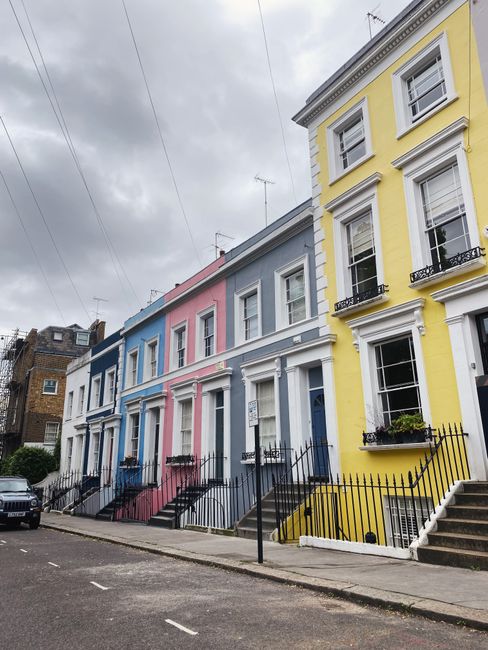
Moving on or off Powis Terrace can feel deceptively simple on a map and then suddenly very not simple in real life. Tight streets, awkward parking, neighbour-sensitive timings, stairs that seem to multiply once a sofa arrives... it all adds up. This guide gives you practical Notting Hill removals advice for Powis Terrace moves so you can plan sensibly, protect your belongings, and avoid the little delays that turn a calm move into an all-day headache. If you are comparing moving options, thinking about vehicle size, or wondering how much packing help you actually need, you are in the right place.
The focus here is straightforward: what matters most on a Powis Terrace move, how to prepare properly, which service options fit different homes and budgets, and where people most often get caught out. A good move is rarely about doing everything perfectly. It is more about avoiding the obvious traps. Simple enough, but easier said than done.
Why Notting Hill removals advice for Powis Terrace moves Matters
Powis Terrace sits in one of those London pockets where the details matter more than people expect. You are not just moving from one postcode to another. You are working around residential streets, limited waiting space, building access rules, and the general rhythm of Notting Hill life, which can be busy at the best of times. If your move is under-planned, even a small problem can snowball. A van that cannot stop where you thought it could. A missing parking arrangement. A wardrobe that will not clear the stairwell. It happens.
That is why local removals advice is valuable. It helps you think about the move the way an experienced crew would: access first, vehicle second, packing third, and then timing. When people do this well, the move feels almost boring. And boring is excellent on moving day.
There is also a trust angle. If you are choosing between a basic man and van service and a more full-service team, you want to know which option genuinely fits the property, the furniture, and the distance involved. Powis Terrace moves can look straightforward but still benefit from careful planning, especially where larger items, fragile pieces, or multiple floors are involved.
How Notting Hill removals advice for Powis Terrace moves Works
At its core, this advice is about matching the move to the street and the property, not the other way around. You start by checking access, then deciding what vehicle and crew size you need, then preparing the home so loading can happen quickly and safely. That sequence matters more than people think.
In a typical residential move, the process usually looks like this:
- Assess access: Measure doorways, note stairs, check lift availability if relevant, and think about where a van can safely pause.
- Choose the right move type: A smaller flat may suit a flexible man with van option, while a larger household may need a bigger vehicle or more support.
- Sort packing priorities: Fragile items, documents, chargers, and daily essentials should be separated early.
- Book the right help: If you need packing support, consider packing and unpacking services so the move is not dragging on late into the evening.
- Load efficiently: Heavy items go first, delicate items are protected, and everything is labelled clearly enough to make the arrival less chaotic.
For bigger homes or more complex loads, a dedicated moving vehicle can make a huge difference. Some jobs really do need a larger truck, especially if you have awkward furniture, multiple bedrooms, or boxed belongings that would otherwise need several smaller trips. If that sounds familiar, looking at a moving truck option or removal truck hire can be more practical than forcing everything into a smaller setup.
And yes, the move itself is only half the story. Unpacking is where many people realise they have not labelled things quite as well as they thought. We have all seen that one box marked "kitchen-ish" and nobody wants to be the person opening it at 9pm looking for a kettle.
Key Benefits and Practical Advantages
Good removals advice is not just about avoiding stress, though that is certainly part of it. It also saves time, protects belongings, and reduces the chance of paying for avoidable inefficiency. On a street like Powis Terrace, where timing and access can shape the whole day, those benefits are noticeable very quickly.
- Less disruption: A well-planned move keeps noise, waiting, and repeated trips to a minimum.
- Better protection for belongings: Proper wrapping, stacking, and load order reduce breakage risk.
- More accurate vehicle choice: You avoid booking something too small or too large for the job.
- Faster completion: Prepared boxes and clear room labelling cut down on indecision.
- Lower stress on the day: When everyone knows what happens next, the atmosphere stays calmer. Usually, anyway.
There is also a subtle financial benefit. A move that is organised tends to run more efficiently, which can reduce wasted labour time and repeated journeys. Not every move is the same, of course, but the broad pattern is consistent: planning beats improvisation.
If you are moving a household with a mix of furniture, white goods, and breakables, using house removalists can give you more structure than trying to manage the whole thing informally. For smaller loads, a lighter approach may still be enough. The key is choosing deliberately, not just picking the first option that sounds convenient.
Who This Is For and When It Makes Sense
This advice is useful for anyone moving within Notting Hill or arriving in the area, but it is especially helpful if your Powis Terrace move involves any of the following:
- a top-floor flat with stairs
- limited parking or a tight loading window
- large furniture that needs careful handling
- family belongings that must be packed in stages
- work-from-home equipment or office items
- a move-out deadline that leaves little room for error
It also makes sense if you are comparing home and business relocations. For example, a sole trader moving a studio setup may need a different plan from a household move. If your relocation includes desks, monitors, files, or stock, then commercial moves or office relocation services may be the better fit.
Some people only need help with one part of the move. Maybe you can pack yourself but need a van and lifting support. Maybe you only need a furniture collection for a few larger pieces. In that case, a service such as furniture pick up might be more appropriate than a full household removal. It depends on the shape of the job. That sounds obvious, but in practice people often overbuy or underbuy the service.
Step-by-Step Guidance
A tidy process makes a huge difference. The following steps work well for most Powis Terrace moves, and they are especially useful if you are trying to coordinate a busy work week at the same time.
1. Start with the access check
Walk the route from the front door to the van point. Look for narrow turns, low branches, bins, railings, shared entrances, and anything that could slow a trolley or make carrying awkward. If the property has stairs, count them properly. Not approximately. Properly.
2. Decide what type of help you actually need
If you only have a few key items and some boxes, a flexible van and lifting support may be enough. If you have beds, wardrobes, and several rooms' worth of belongings, think bigger. Choosing the right service early often matters more than price-shopping for hours. Truth be told, the cheapest option can be the most expensive if it creates delays.
3. Declutter before you pack
Do not pay to move things you no longer want. Old cables, duplicate kitchen gear, broken chair parts, and mystery storage box contents are the usual suspects. The less you move, the easier the day becomes. It is not glamorous, but it works.
4. Pack by room and by priority
Pack one room at a time, and make sure essentials are separate. Mark boxes clearly enough that they can be dropped into the correct rooms without debate. If you are not sure whether to label by room or by content, do both. It sounds minor. It is not.
5. Protect delicate items properly
Glass, lamps, mirrors, artwork, and electronics need real protection, not just hope. Wrap edges, fill empty space, and keep fragile items from shifting inside boxes. If you have sentimental items, put them in a separate box that stays with you rather than in the main load.
6. Prepare for arrival
At the destination, clear a path so boxes can be set down quickly. If rooms are obviously labelled, unloading becomes calmer and faster. Small thing, big effect. Especially when everyone is tired and somebody is holding a lamp in a hallway wondering where it belongs.
If your move is being coordinated around a vehicle-heavy day, checking a suitable removal truck hire option can help you line up the right capacity from the start. For some moves, the difference between one clean trip and three cramped ones is worth a lot.
Expert Tips for Better Results
Here are the practical details people tend to overlook, but which make a real difference on Powis Terrace.
- Book the move for a quieter window if you can. Midweek often feels easier than a crowded weekend slot, especially where parking and traffic are concerned.
- Keep a small essentials bag. Think phone charger, keys, medicines, tea bags, toilet paper, and a change of clothes. Unromantic, yes. Useful, absolutely.
- Photograph complex furniture before dismantling. Those odd screws and brackets always look obvious until they are on the floor in a pile.
- Use colour or room labels. A simple colour on the box and door list can save a surprising amount of time.
- Protect corners and stair edges. In narrow houses, one clumsy turn can mark the wall or damage the item. Better to pad first.
- Tell the crew about fragile or high-value items early. Do not leave this until the van is already filling up.
One practical reality: the smallest jobs can sometimes be the trickiest, because people assume they need less planning. A few awkward pieces in a confined space can be more stressful than a full room of easy-to-stack boxes. Funny how that works.
If you are unsure which moving style suits you best, compare a more hands-on approach like man with van support against a fuller home-moving service. The right choice depends on volume, access, and how much lifting you are comfortable managing yourself.
Common Mistakes to Avoid
Most bad moving days are not caused by one dramatic failure. They are caused by a series of small misses. Here are the usual ones.
- Underestimating vehicle size: If the load is larger than expected, you lose time and often patience too.
- Leaving packing too late: Last-minute packing always creates fragile boxes and messy room labels.
- Ignoring stair width or access issues: A sofa that looked fine in the room may become a problem at the landing.
- Not separating essentials: This is how people end up searching for kettles and phone chargers in random boxes at midnight.
- Assuming parking will sort itself out: On a London street, that is rarely a safe bet.
- Forgetting about disposal: If you are not moving some furniture, plan how to remove it properly before the van arrives.
Another common one: trying to do too much on moving day. If the plan is to clean, dismantle, pack, load, and hand over keys all in one burst, the day gets messy very quickly. Some jobs really need a cleaner split across two or three stages.
That is where a sensible service mix helps. For example, a household may use home moves for the main relocation and separate packing support for the last stretch. It sounds simple because it is simple. The trick is knowing when to stop improvising.
Tools, Resources and Recommendations
You do not need a warehouse full of gear, but the right basic tools make a move much smoother. Keep it practical.
- strong cardboard boxes in mixed sizes
- packing tape and a tape dispenser
- marker pens for room labels
- bubble wrap or paper for fragile items
- furniture blankets and corner protection
- bags or tubs for screws, fittings, and cables
- a trolley or sack truck if heavy items are being moved
- basic cleaning supplies for final handover
From a service perspective, it helps to think in layers. Some moves need only a vehicle and a couple of hands. Others need packing support, lifting help, and a larger vehicle. If your move involves business equipment, look at specialised commercial moves. If it is a household with lots of breakables, a fuller house removalists option may feel far more manageable.
One useful recommendation: keep a written moving order, even if it is only a page. What leaves first, what must stay until last, what needs special handling, and who has the keys. A tiny sheet of paper can prevent a ridiculous amount of back-and-forth. Old-fashioned, yes. Effective, also yes.
Law, Compliance, Standards, or Best Practice
For a residential move in Notting Hill, the main compliance concerns are usually practical rather than complicated legal ones. You still want to follow sensible UK standards of care: do not block neighbours unnecessarily, do not obstruct access routes, and make sure any vehicle stops in a safe and appropriate place. If a property has building rules or concierge instructions, they should be respected. That part is not optional.
In shared buildings, you may need to follow local move-in or move-out arrangements set by the managing agent or landlord. Timing windows, lift bookings, floor protection, and noise expectations are common examples. These are not always formally written into law, but they are very real in practice. Ignoring them can make the day much harder than it needs to be.
For heavier items, safe lifting matters. It is best practice to avoid lifting beyond your comfort or capability, especially on stairs or tight turns. If a sofa needs two people, use two people. If it really needs more, do not try to be heroic. Let's face it, backs are annoyingly hard to replace.
For business moves, it is sensible to think about document handling, equipment security, and continuity of work. Office items should be packed so they can be identified and restored quickly. If you are moving work equipment or stock, a professional process reduces the chance of damage, confusion, or missing items. A little organisation now saves a lot of awkward emails later.
Options, Methods, or Comparison Table
Choosing the right moving method is usually about matching scale, access, and how much support you want on the day. Here is a simple comparison to help you decide.
| Option | Best for | Strengths | Watch-outs |
|---|---|---|---|
| Man and van | Small flats, lighter loads, flexible scheduling | Quick, adaptable, often ideal for a modest move | May not suit bigger furniture or a full household |
| Man with van | Similar to above, especially where hands-on help is needed | Good for loading support and short-notice moves | Capacity can be limited if the job grows |
| Home moves | Standard household relocations | Structured approach, better for family or multi-room moves | May be more than a very small move needs |
| Removal truck hire | Higher-volume loads, larger furniture, multiple rooms | More space, fewer trips, better for bulky items | Can be overkill for a light move |
| Packing and unpacking services | Busy households, fragile items, tight deadlines | Saves time and reduces packing mistakes | Not always necessary if the move is very simple |
The right option depends on reality, not aspiration. If you are staring at a flat full of furniture and saying "it'll probably fit", pause there. Measure. Count. Be honest.
Case Study or Real-World Example
Here is a realistic example from the kind of move people often face around Powis Terrace. A couple were leaving a two-bedroom flat with a mix of flat-pack furniture, a heavy mattress, a glass dining table, and far too many boxes labelled only with marker scribbles. The access was fine inside the flat, but the stairwell was narrow and the street parking was limited. Nothing dramatic, just enough to make the day awkward if the planning was poor.
They chose a smaller move setup at first, but after a quick review of the furniture list, it was clear they needed more capacity. The solution was to combine a larger vehicle with careful packing and a room-by-room label system. Fragile items were grouped together, the table was wrapped properly, and the biggest furniture was dismantled the day before.
The move itself was not magic. It still involved stairs, a bit of sweat, and someone briefly losing the box of kettle items. But because the load order was planned and the essentials were separate, the whole process finished with less friction than expected. The couple were unpacking the kitchen before sunset instead of still hunting for screws at 10pm. That is the kind of difference good removals advice makes.
If a move like this sounds familiar, you may want to combine a home relocation plan with targeted help such as packing and unpacking services. It is often the little layer of support that keeps the day from becoming messy.
Practical Checklist
Use this checklist a few days before the move and again on the morning itself.
- Confirm the move date, arrival time, and contact details.
- Check access from the property to the van loading point.
- Measure bulky furniture and note any awkward items.
- Separate fragile items and valuables.
- Pack an essentials bag for the first 24 hours.
- Label boxes by room and contents.
- Dismantle large furniture if needed, and keep fittings together.
- Clear corridors, hallways, and stairs where possible.
- Protect floors, corners, and delicate surfaces.
- Keep keys, documents, and important numbers with you.
- Plan any furniture disposal or collection in advance.
- Walk through the property at the end to check for forgotten items.
One small tip that helps more than people expect: keep the kettle and mugs last in the van or in your essentials bag. First cup of tea in a new place? That matters. It really does.
Get a free quote today and see how much you can save.
Conclusion
Powis Terrace moves do not need to be stressful, but they do need to be thought through properly. The best Notting Hill removals advice for Powis Terrace moves is simple: respect the access, choose the right level of help, pack with purpose, and keep your day organised from first box to final handover. That approach saves time, protects your belongings, and makes the whole experience feel far more manageable.
Whether you are moving a compact flat, a family home, or a mix of personal and work items, the main thing is to plan like a local and not like an optimistic spreadsheet. A little realism goes a long way. And when the last box is in, the place is quiet again, and the tea is finally made, you will be glad you took the time.
Frequently Asked Questions
What is the best removals option for a Powis Terrace move?
The best option depends on the size of your load, access, and how much help you want. Smaller moves often suit a van-based service, while larger household relocations usually need a fuller moving setup.
How early should I book a removal service in Notting Hill?
As early as you can, especially if your move is near a weekend, at month-end, or during a busy seasonal period. Earlier booking gives you more flexibility with timing and vehicle choice.
Do I need packing help for a local move?
Not always. If you have a small load and plenty of time, self-packing may be fine. If you have fragile items, a busy schedule, or a lot of rooms to clear, packing support can be well worth it.
Is a man and van service enough for Powis Terrace?
It can be, especially for smaller flats or lighter loads. If you have bulky furniture, lots of boxes, or a difficult stair layout, you may need a larger or more structured service.
What should I do about parking on moving day?
Plan parking well in advance and think carefully about where loading can safely happen. On London streets, parking is often one of the biggest time factors, so it should not be left to chance.
How do I protect fragile items during the move?
Wrap fragile items individually, fill empty spaces in boxes, and keep them separate from heavier items. Clearly mark the boxes so they are handled with care and unpacked early.
Can I move large furniture without dismantling it?
Sometimes, yes, but it depends on the item and the access route. In narrow stairwells or tight hallways, dismantling large furniture is often the safer and easier choice.
What if I only need to move a few items?
If you only have a few large items, a furniture pick-up or a lighter van-based service may be more suitable than a full household removal. Matching the service to the load keeps costs and effort more sensible.
How can I make moving day less stressful?
Label clearly, pack essentials separately, confirm access details, and avoid leaving everything until the final evening. A calm, staged approach is usually much easier than trying to rush at the end.
Do office moves need different planning from home moves?
Yes. Office relocations usually involve equipment, documents, timing constraints, and business continuity concerns. If your move is partly work-related, specialised commercial or office relocation support is often the better fit.
What is the biggest mistake people make on small London moves?
Underestimating the load and access issues. A move that looks simple on paper can still become difficult if parking, stairs, or furniture size are not checked properly beforehand.
Where should I start if I am unsure what service to choose?
Start with the inventory: what you are moving, how big it is, and how difficult the access looks. From there, compare a van-based option, a fuller home move, or packing support depending on what the job actually needs.